Case Study: SEO Analysis of Websites and the SERP
Posted on October 14, 2025 • 5 min read • 1,009 wordsA study of 4 specific cases to evaluate SEO and their visibility on search engine results pages (SERP).

I. Introduction
After presenting the theoretical principles of how search engines work, it’s essential to move on to practice. Analyzing real cases helps explain how websites appear (or fail to appear) in the SERP depending on their technical optimization, content, and authority.
In this section, we focus on the theme of blogs, examining several sites ranked on Google. The goal is to highlight:
- best practices that support strong rankings,
- common pitfalls that limit visibility,
- and improvement opportunities for each type of site.
This comparative approach bridges theory with real outcomes observed in the SERP, explaining why some sites dominate while others struggle to emerge.
II. SERP Analysis on the “Blogs” Theme
Keywords
The first step in any SEO analysis is identifying relevant keywords. For the topic “blogs,” examples include:
- popular blogs
- best blogs
- how to start a blog
Ideally, validate these keywords using tools such as Google Keyword Planner, Ahrefs, SEMrush, or Ubersuggest to measure search volume, competition, and search intent.
By running Google searches for these terms, we can analyze which sites appear on the first page of the SERP and assess their SEO performance based on site structure, content quality and relevance, optimization level, backlinks, user experience, and social media presence.
1. goudronblanc.com
Structure
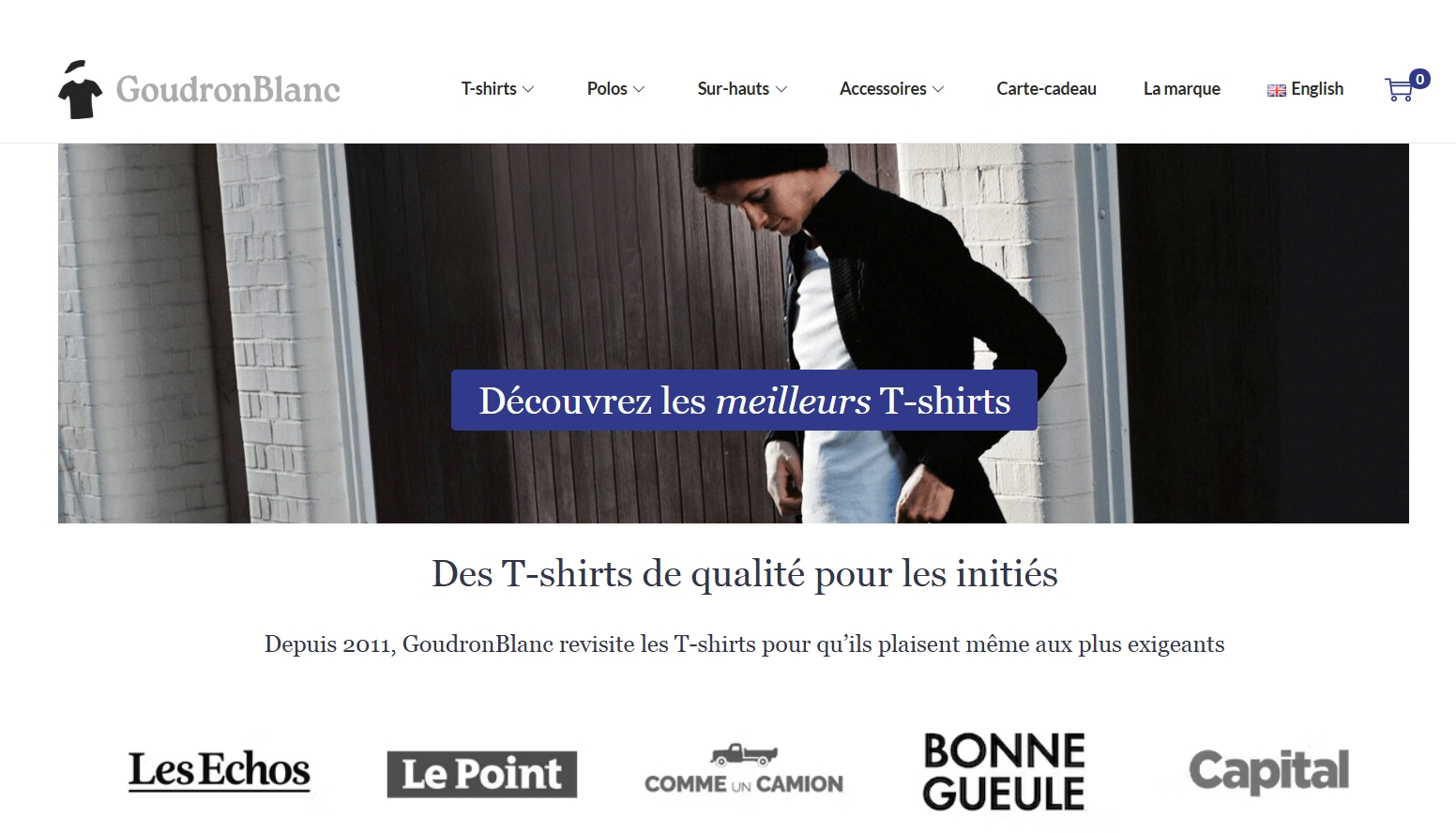
The site has a simple, minimalist structure. Navigation is clear, but the information architecture isn’t optimized for keyword-rich categories.
Content
GoudronBlanc is a fashion brand specializing in premium T-shirts. Its blog covers topics like style, wardrobe essentials, and lifestyle—not specifically the blogs theme.
SEO Optimization
- Strengths: clean pages, decent mobile design.
- Weaknesses:
- Titles and meta descriptions not always optimized.
- Limited structured data (Schema.org).
- Relatively small backlink profile versus competitors.
User Experience
The site is fast and responsive, but improvements are possible across Core Web Vitals, notably:
- LCP (Largest Contentful Paint)
- CLS (Cumulative Layout Shift)
- INP (Interaction to Next Paint), which replaced FID in 2024.
Social Presence
Active on Instagram; no other video platforms were observed at the time of analysis.
Conclusion
Strong brand identity but limited SEO performance. Improving metadata, strengthening Core Web Vitals, and developing a multi-platform social strategy would likely increase visibility.
2. elle.fr

Structure
Excellent. The site uses a clear, well-defined taxonomy (fashion, beauty, lifestyle, podcasts, etc.), making discovery easy.
Content
- Very diverse and regularly updated.
- High editorial quality supported by a professional newsroom.
- A dedicated podcasts portal helps users discover content by topic and format.
SEO Optimization
- Well-optimized titles, metas, and H1/H2 headings.
- Strong backlink profile with links from authoritative domains.
- Structured data in place (articles, reviews, events).
User Experience
- Exemplary mobile-first design.
- Fast loading via CDN and image optimization.
- Attractive layout that improves time on page and reduces bounce rate.
Social Presence
Very active on Instagram, Facebook, Twitter/X, and YouTube, with strong community engagement that supports discoverability and, indirectly, SEO.
Conclusion
Elle.fr combines technical SEO, premium content, and strong domain authority. It’s a solid example of synergy between SEO and SMO (Social Media Optimization).
3. challenges.fr
SERP Position
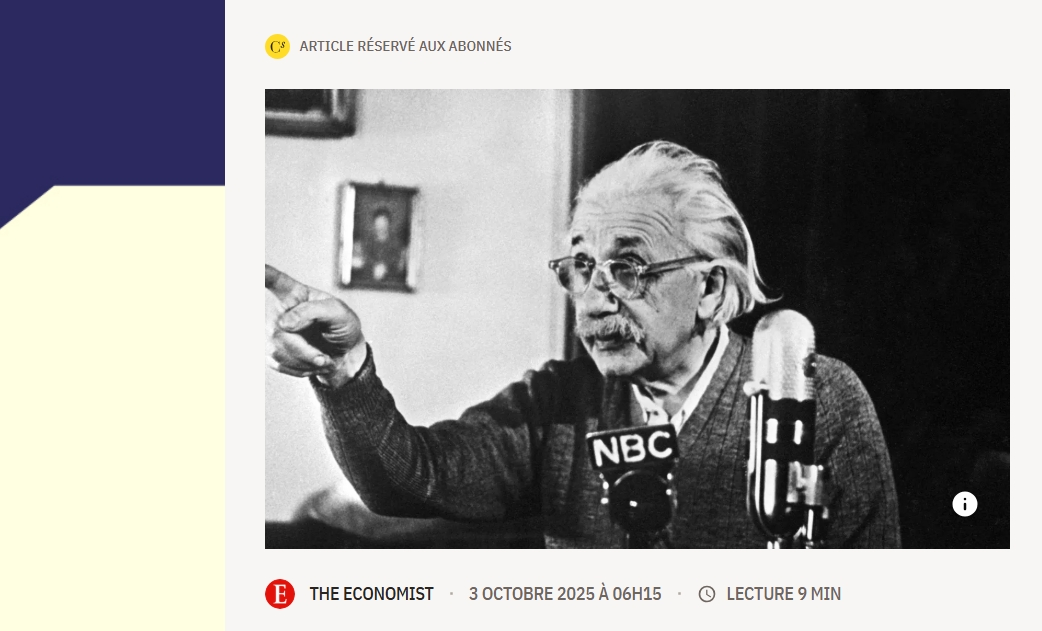
At the time of analysis (2025-10-04, France), the observed page ranked far down in the SERP for blog-related queries. Rankings may vary by location, personalization, and time.
Structure
Robust architecture aligned with its positioning (economics, finance, business).
Content
- High-quality articles, updated frequently.
- Focused on economics and finance, not on blogs, which explains limited relevance for this topic.
SEO Optimization
- Solid technical optimization (titles, meta descriptions, H1).
- Strong backlink profile within its niche.
- Use of structured data (articles) with optimization coherent for a business magazine.
User Experience
Fast, responsive, and well designed. Core Web Vitals are satisfactory.
Social Presence
Active on Twitter/X, LinkedIn, and Facebook, channels aligned with its professional audience.
Conclusion
Challenges.fr is well optimized for its niche but not relevant for blog-related keywords—a typical case where topical alignment outweighs technical strength.
4. brinetbrindille.canalblog.com
Structure
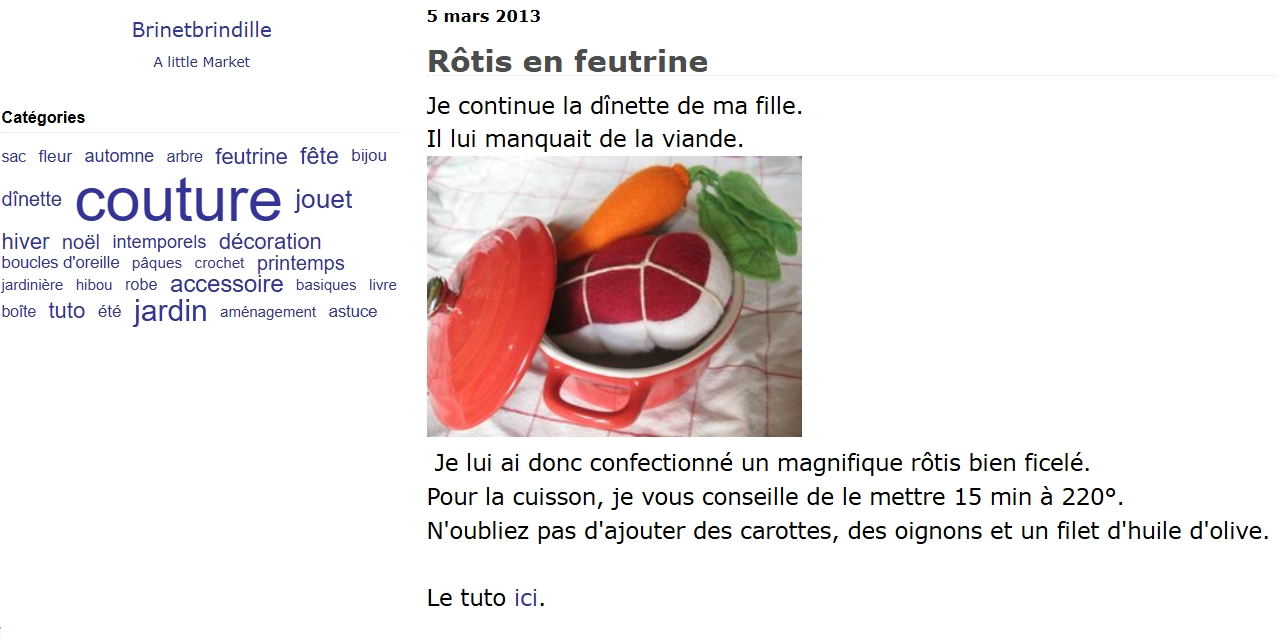
- Basic blog format with chronological entries.
- Limited navigation; no advanced search.
- Built on Canalblog, an aging platform with limited modern SEO flexibility.
Content
Varied personal posts (daily life, sewing, cooking). Well written but not SEO-oriented and lacking keyword targeting.
SEO Optimization
- Few or no H1/H2 headings.
- No meta descriptions.
- No HTTPS.
- No structured data.
User Experience
Simple but dated design.
- Weak mobile optimization.
- No modern theme.
- Insufficient Core Web Vitals.
Social Presence
Virtually none. No amplification via Instagram, Twitter/X, or Facebook.
Conclusion
A pleasant personal blog but not competitive. A redesign (WordPress, HTTPS, responsive theme) and a real content strategy would be required to gain visibility.
III. Key Lessons from the Case Study
- Keyword relevance is essential: even a technically sound site (Challenges) won’t rank without topical alignment.
- Domain authority matters: strong media brands like Elle.fr dominate through backlinks and reputation.
- Technical SEO is non-negotiable: Core Web Vitals, HTTPS, and mobile-first indexing are table stakes in 2025.
- SEO + social synergy boosts visibility and drives natural backlinks.
- Outdated platforms hinder SEO: a Canalblog site can’t compete without serious technical and strategic modernization.
IV. Conclusion
This case study underscores several key takeaways:
- Topical relevance is the #1 criterion: without alignment to user queries, even strong technical SEO won’t deliver visibility.
- High-authority sites, like Elle.fr, enjoy a significant competitive advantage.
- Modern technical SEO (Core Web Vitals, mobile-first, HTTPS, structured data) is a prerequisite for strong rankings.
- SEO–social synergy is a powerful lever to increase visibility and backlinks.
- Outdated or poorly maintained platforms can’t compete without a full refresh.
In short, analyzing the SERP and concrete sites on the blogs theme shows that SEO is a blend of engineering, content, and strategy.
For developers, it’s a clear reminder that each technical choice (performance, structure, security) directly influences online visibility.
🔗 Useful Resources
- Google Search Central: official docs on indexing, ranking, and best practices.
- PageSpeed Insights: free Google tool to analyze and improve Core Web Vitals.
- Google Search Console: monitor indexing, errors, and site performance.
- Schema.org: standard for implementing structured data (articles, products, FAQ, etc.).
- W3C – Web Accessibility Initiative: accessibility best practices and international guidance.
- Screaming Frog SEO Spider: powerful crawler to detect technical issues, broken links, and missing tags.
- Ahrefs Blog: data-driven guides for beginners and experts.